


The Science of Belonging: How Connection Heals
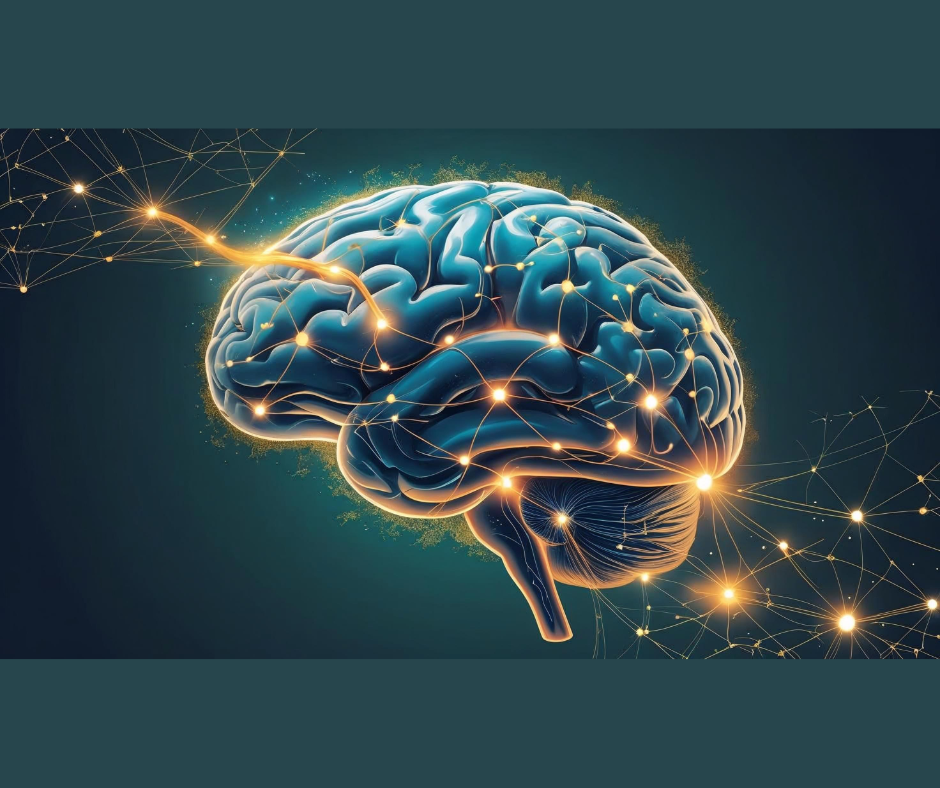
The Science of Belonging: How Connection Heals
Why your grandmother was right about the healing power of community (and what modern neuroscience can teach us about it)
Remember when your grandmother used to say, “A problem shared is a problem halved”? Turns out, Grandma wasn’t just dispensing folksy wisdom—she was dropping some serious neuroscience knowledge decades before we had the brain scans to prove it.
Today, we have mountains of research confirming what traditional cultures have always known: humans are wired for connection, and that wiring runs so deep it literally shapes our biology. But here’s the plot twist that would make even Hollywood jealous—the science of belonging is far more fascinating (and healing) than anyone could have imagined.
Your Brain on Belonging (Spoiler Alert: It’s Amazing)
Let’s start with a mind-bending fact: your brain has a dedicated “social network” that’s so important, it’s active even when you’re doing absolutely nothing. Scientists call it the default mode network, but I like to think of it as your brain’s built-in relationship GPS—constantly scanning for connection opportunities and social navigation cues.
When you feel truly connected and like you belong, this network lights up like a Christmas tree. But when you’re lonely or feeling excluded? Your brain reacts as if you’ve been physically injured. I’m not being metaphorical here—the anterior cingulate cortex and right ventral prefrontal cortex (the same regions that process physical pain) actually activate when you experience social rejection.
This means that when someone gives you the cold shoulder, your brain literally interprets it as being punched in the face. Suddenly, that awful feeling after being excluded from the group chat makes perfect biological sense, doesn’t it?
The Loneliness Epidemic: When Your Body Thinks You’re Under Attack
Here’s where things get really interesting (and slightly alarming). Chronic loneliness doesn’t just feel bad—it triggers a cascade of biological responses that would be appropriate if you were being chased by a saber-toothed tiger, but are decidedly unhelpful when you’re simply lacking meaningful social connection.
When your brain perceives social isolation, it flips the switch on what researchers call “conserved transcriptional response to adversity” (CTRA). Basically, your body goes into survival mode:
- Your immune system gets confused and starts attacking healthy tissue while ignoring actual threats
- Inflammation skyrockets like you’re fighting off an infection that doesn’t exist
- Sleep quality plummets because your brain thinks you need to stay alert for danger
- Stress hormones flood your system as if you’re about to fight for your life
The result? People experiencing chronic loneliness have a 45% increased risk of early death—making isolation more dangerous than obesity and nearly as risky as smoking 15 cigarettes a day. Suddenly, “dying of loneliness” isn’t just a poetic expression.
The Belonging Brain: Nature’s Ultimate Healing Machine
But here’s the beautiful flip side: when we experience genuine belonging, our biology transforms in equally dramatic (but much more pleasant) ways.
The Neurobiological Love Fest
When you feel truly seen, valued, and connected, your nervous system essentially throws a party:
The Vagus Nerve Awakens: This crucial nerve—your body’s “chill out” button—activates, shifting you from fight-or-flight into rest-and-digest mode. Your heart rate variability improves, digestion optimizes, and inflammation decreases.
Oxytocin Floods the System: Often called the “love hormone,” oxytocin does more than make you feel warm and fuzzy. It actually strengthens your immune system, lowers blood pressure, and promotes tissue healing. It’s like getting a full-body tune-up just from feeling connected.
Mirror Neurons Dance: These specialized brain cells help you understand and empathize with others. When activated through meaningful connection, they literally help you become more emotionally intelligent and socially attuned.
The Ripple Effect of True Connection
The healing power of belonging doesn’t stop at individual biology—it creates positive feedback loops that benefit everyone involved:
- Emotional Co-Regulation: When you’re around calm, grounded people, their nervous system actually helps regulate yours (and vice versa)
- Collective Resilience: Groups with strong social bonds show remarkable resilience in the face of stress and trauma
- Healing Amplification: People recovering from illness or injury heal faster when they feel supported by community
Why Some People Seem Naturally “Connection Gifted” (Hint: It’s Not What You Think)
Ever notice how some people seem to effortlessly create deep connections wherever they go, while others struggle to feel like they belong anywhere? Plot twist: it’s not about being naturally charismatic or socially gifted.
Research reveals that people who create belonging have developed what I call “connection intelligence”—a set of learnable skills that include:
1. Presence Over Performance
They’ve figured out that authentic connection happens when you stop trying to impress and start truly paying attention. They listen with their whole being, not just waiting for their turn to talk.
2. Vulnerability as Strength
Instead of armoring up with perfection, they’ve learned that shared struggles create deeper bonds than shared successes. They’re willing to be real about their challenges, which gives others permission to do the same.
3. Curiosity Over Judgment
They approach others with genuine interest rather than evaluation. Instead of thinking “Are they worthy of my friendship?” they wonder “What can I learn from this person?”
4. Emotional Generosity
They understand that creating belonging is less about finding the “right” people and more about becoming the kind of person others feel safe being themselves around.
The best part? These skills are 100% learnable, regardless of your starting point or past experiences.
The Surprising Link Between Belonging and Physical Healing
Here’s where the science gets truly mind-blowing: feeling like you belong doesn’t just improve your mental health—it can literally accelerate physical healing.
Studies show that people with strong social connections:
- Recover from surgery 50% faster
- Have stronger immune responses to vaccines
- Show better outcomes in cancer treatment
- Live an average of 3.7 years longer than socially isolated individuals
One particularly fascinating study followed people through major medical procedures. Those who felt deeply connected to their community had measurably different gene expression—their bodies produced more anti-inflammatory proteins and fewer stress hormones during recovery.
It’s as if belonging flips a switch in your DNA that says, “It’s safe to heal now.”
Three Evidence-Based Practices for Deepening Your Sense of Connection
Ready to activate your own belonging biology? Here are three research-backed practices that can help you cultivate deeper connection:
Practice 1: The Daily Appreciation Text
The Science: Expressing gratitude activates the brain’s reward system and strengthens social bonds through positive reinforcement loops.
The Practice: Each day, send one text expressing specific appreciation to someone in your life. Not generic “thanks for being you” messages, but detailed acknowledgments: “I was thinking about how you listened without trying to fix anything when I was struggling last week. That meant everything to me.”
Why It Works: This practice trains your brain to notice positive aspects of your relationships while simultaneously strengthening those bonds through acknowledgment.
Practice 2: Vulnerable Check-Ins
The Science: Self-disclosure at appropriate levels creates intimacy and activates mirror neuron systems that promote emotional connection.
The Practice: Once a week, share something real with someone you trust—a struggle you’re facing, a fear you’re working through, or a dream you’re nurturing. Ask them to share something similar in return.
Why It Works: Controlled vulnerability creates what researchers call “emotional intimacy spirals”—each person’s openness encourages deeper sharing from the other, creating exponentially stronger bonds.
Practice 3: The 2-Minute Connection Reset
The Science: Brief moments of mindful attention activate the vagus nerve and promote co-regulation between nervous systems.
The Practice: When talking with someone important to you, take 2 minutes to be completely present. Put away distractions, make eye contact, and focus entirely on understanding not just their words but their emotional experience.
Why It Works: This level of attention is so rare in our distracted world that it creates profound feelings of being seen and valued—the foundation of belonging.
The Belonging Revolution: It Starts With You
Here’s the truth that every piece of belonging research points to: you don’t find belonging—you create it. Every interaction is an opportunity to make someone feel more seen, valued, and connected. And here’s the beautiful paradox: the more belonging you create for others, the more you experience it yourself.
Your grandmother was right—connection is medicine. But now we know it’s not just folk wisdom; it’s biological fact. Your cells literally reorganize themselves around love and belonging. Your nervous system calms in the presence of true community. Your immune system strengthens when you feel valued and seen.
In a world that often feels increasingly disconnected, choosing to prioritize belonging isn’t just a nice idea—it’s a radical act of healing, both for yourself and everyone whose life you touch.
So the next time someone tells you that focusing on relationships is “soft” or unimportant, you can smile and share a little science: belonging isn’t just feel-good fluff. It’s the most powerful medicine we have.
What’s your experience with the healing power of belonging? I’d love to hear your thoughts and stories in the comments below. And if this post resonated with you, share it with someone who might need a reminder that they’re wired for connection.
Want to dive deeper into the practices of belonging? Check out this month’s newsletter for practical tools to create heart-centered relationships that heal your whole body, including the Dragonfly Heart Bridge breathing technique and energy practices for connection. Click here